

When hiking, a backpack is much more than just a container. It determines your comfort, your endurance, and sometimes even your safety. Too small, and you'll lack equipment. Too big or poorly adapted, and every step becomes a struggle... and the outing quickly turns into torture.
Whether you're going for a quick walk after work, a day hike, or a multi-day trek, the right hiking pack should carry the essentials without slowing you down. In this article, we'll help you understand what distinguishes a true hiking pack from a classic backpack, and then how to choose the right volume and features for your activity.
Hiking pack vs. classic backpack: what are the differences?
At first glance, a hiking pack might look like any other backpack. In reality, it is designed to meet very specific constraints related to effort, duration, and terrain.
Weight distribution
A hiking pack is designed to transfer the load to the hips using a hip belt, rather than having all the weight carried by the shoulders. The result: less fatigue and more stability.
Carrying system
Ventilated back, foam panels, stretched mesh, or ventilation channels: the back is designed to limit perspiration and improve comfort over several hours.
Stability in motion
Chest straps, load lifter straps, side compression: everything is there to prevent the pack from moving when the terrain becomes technical.
Outdoor features
Pockets accessible while walking, pole holders, hydration pack compatibility, integrated waterproof cover... details that make a real difference on the trail.
Now let's see which bag will meet your needs depending on your hiking desires!
.jpg)
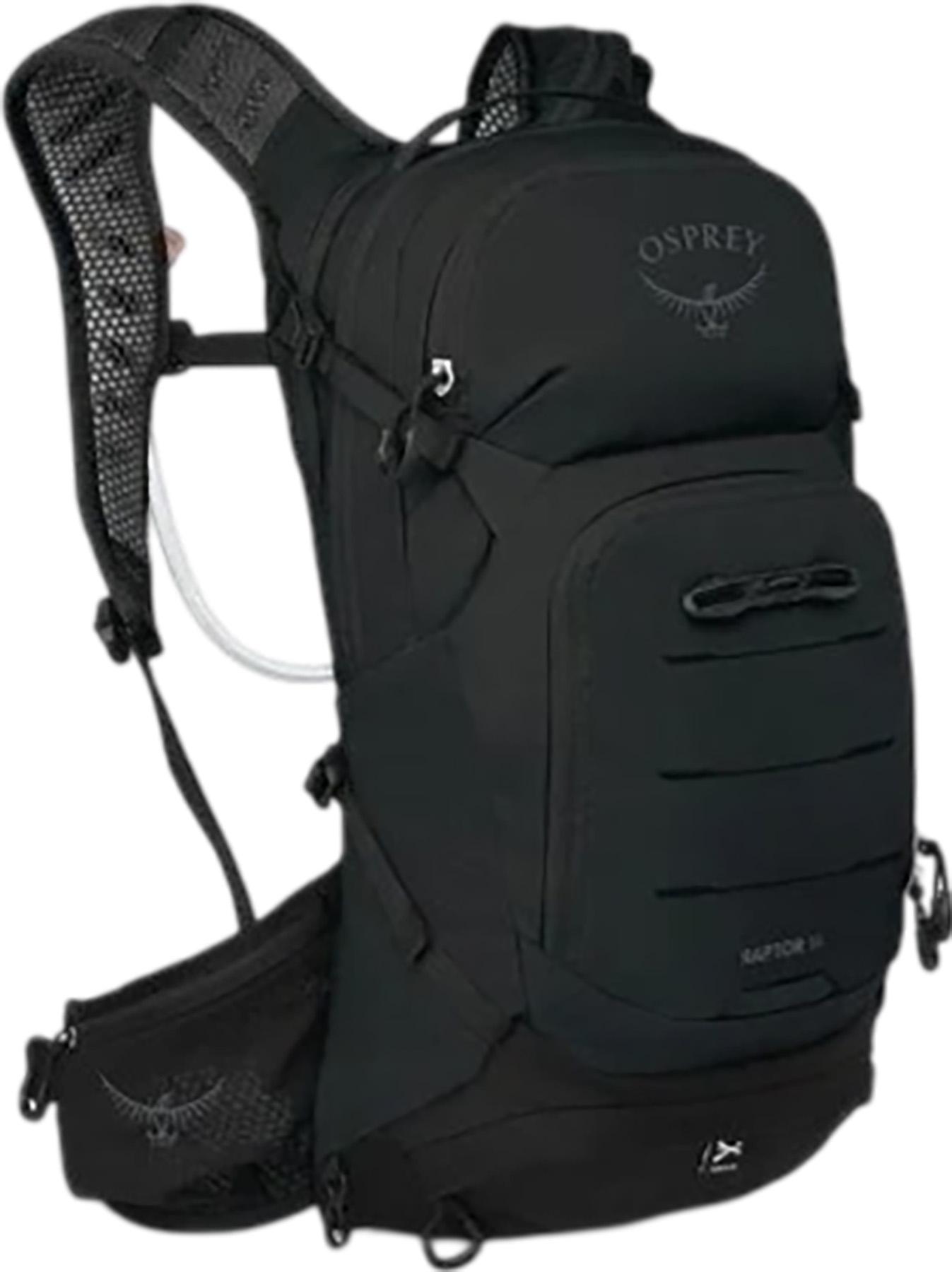
Which pack for a quick or athletic hike?
For short, fast, or "fast hiking" trips, the goal is clear: go light and stay mobile.
Recommended volume
• Approximately 10 to 20 liters
What you generally carry
• Water
• Windbreaker or light layer
• Snack
• Phone, keys, small safety gear
• First-aid kit
• Map, headlamp, accessories
Key features
• Lightweight and close-fitting pack
• Good stability (inspired by trail running packs)
• Quick access to pockets
• Breathable back
This type of pack is perfect for athletic outings, short summer hikes, or quick elevation gains where every gram counts.
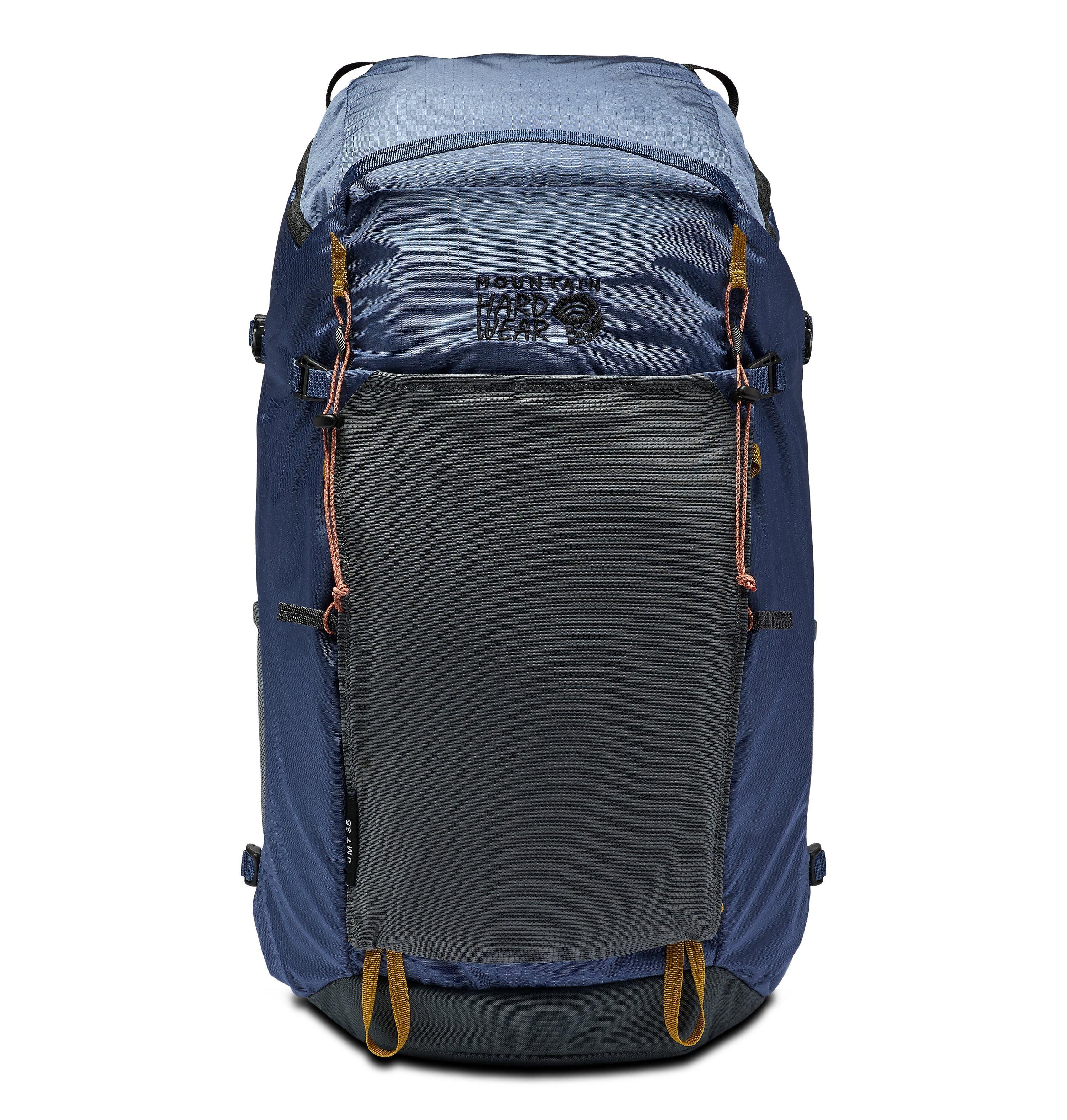
Which pack for a day hike?
This is the most versatile and popular size.
Recommended volume
• Approximately 20 to 35 liters
What you generally carry
• Water and food for the day
• Change of clothes or warm layer
• Waterproof jacket
• Phone, keys, small safety gear
• First-aid kit
• Map, headlamp, accessories
Key features
• Good carrying system with hip belt
• Ventilated back for comfort
• Accessible side pockets
• Rain cover or water-repellent fabric
This is the ideal pack for day hikes in the mountains, forests, or varied terrain, regardless of weather conditions.
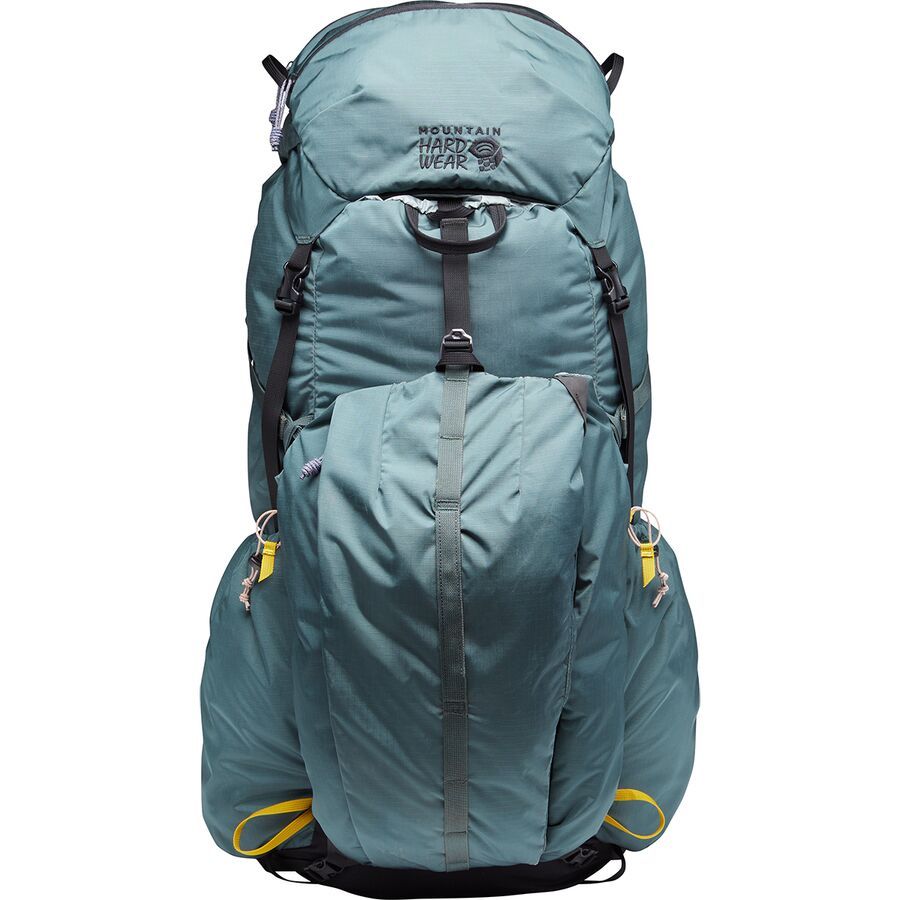
Which pack for a multi-day trek?
As soon as you set off for several days, the pack becomes a central element of the experience.
Recommended volume
• Approximately 40 to 70 liters, depending on autonomy and equipment
What you generally carry
• Clothes for several days
• Food and hydration
• Sleeping gear
• Tent or shelter
• Stove and cooking equipment
• Phone, keys, small safety gear
• First-aid kit
• Map, headlamp, accessories
Key features
• Solid internal frame
• Wide and comfortable hip belt
• Precise adjustments (back length, load lifters)
• Well-organized compartments
• Effective compression straps
• Rain cover or water-repellent fabric
Here, carrying comfort is paramount: a good pack allows you to cover miles without getting exhausted, even when heavily loaded.
In summary
Choosing your hiking pack isn't a matter of fashion or brand, but actual use. The longer and more challenging your outing, the more essential comfort, stability, and capacity become.
A well-chosen pack means:
• Less fatigue
• More enjoyment
• A hike that remains an adventure... not a punishment 😉