

When hiking, your shoes are your only point of contact with the ground. A bad choice can quickly turn a beautiful outing into torture: blisters, knee pain, premature fatigue, lack of stability...
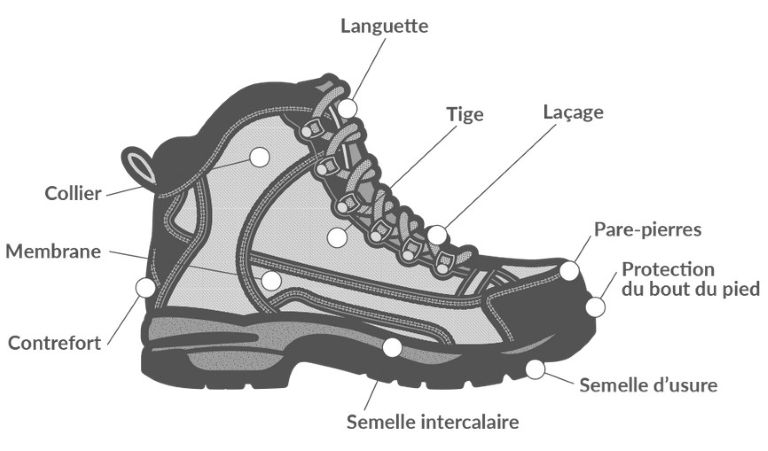
Walking, hiking, trekking, or mountaineering: each activity imposes different constraints, and therefore requires adapted footwear. Before discussing types of shoes, let's start by understanding the key elements that make up a hiking shoe and their impact on your comfort and performance.
Essential elements of a hiking shoe
The Upper (Low, Mid, High)
The upper refers to the height of the shoe.
• Low: freedom of movement, lightness, breathability
• Mid: better ankle support, versatility
• High: maximum stability, increased protection
The more technical the terrain and the heavier the pack, the more a high upper is recommended.
The Waterproof Membrane (Gore-Tex and equivalents)
The membrane protects the foot from water while allowing perspiration to escape.
• Keeps feet dry in rain, snow, or wet grass
• Useful in cold or changing conditions
• Slightly less breathable than a shoe without a membrane
In dry summer conditions or for fast hikes, a shoe without a membrane may be more comfortable.
The Midsole
This is what absorbs shocks and protects the joints.
• EVA: lightweight, flexible, comfortable
• PU: stiffer, more durable, better stability under load
A good midsole reduces impact on the knees, hips, and back, especially on descents.
The Outsole
The outsole is the part of the shoe in direct contact with the ground. Its quality influences grip, safety, stability, and shoe longevity.
• Deep lugs: mud, loose trails
• Spaced lugs: dirt evacuation
• Wide lugs: stability on descents
• Flat climbing zone: grip on rock
A quality sole makes all the difference on wet or uneven terrain.
Breathability
Breathability directly influences comfort.
• Essential in hot weather or during intense exertion
• Depends on materials and the presence of a membrane
• A compromise between protection and ventilation must be found
Feet that are too wet = blisters, discomfort, and faster fatigue.
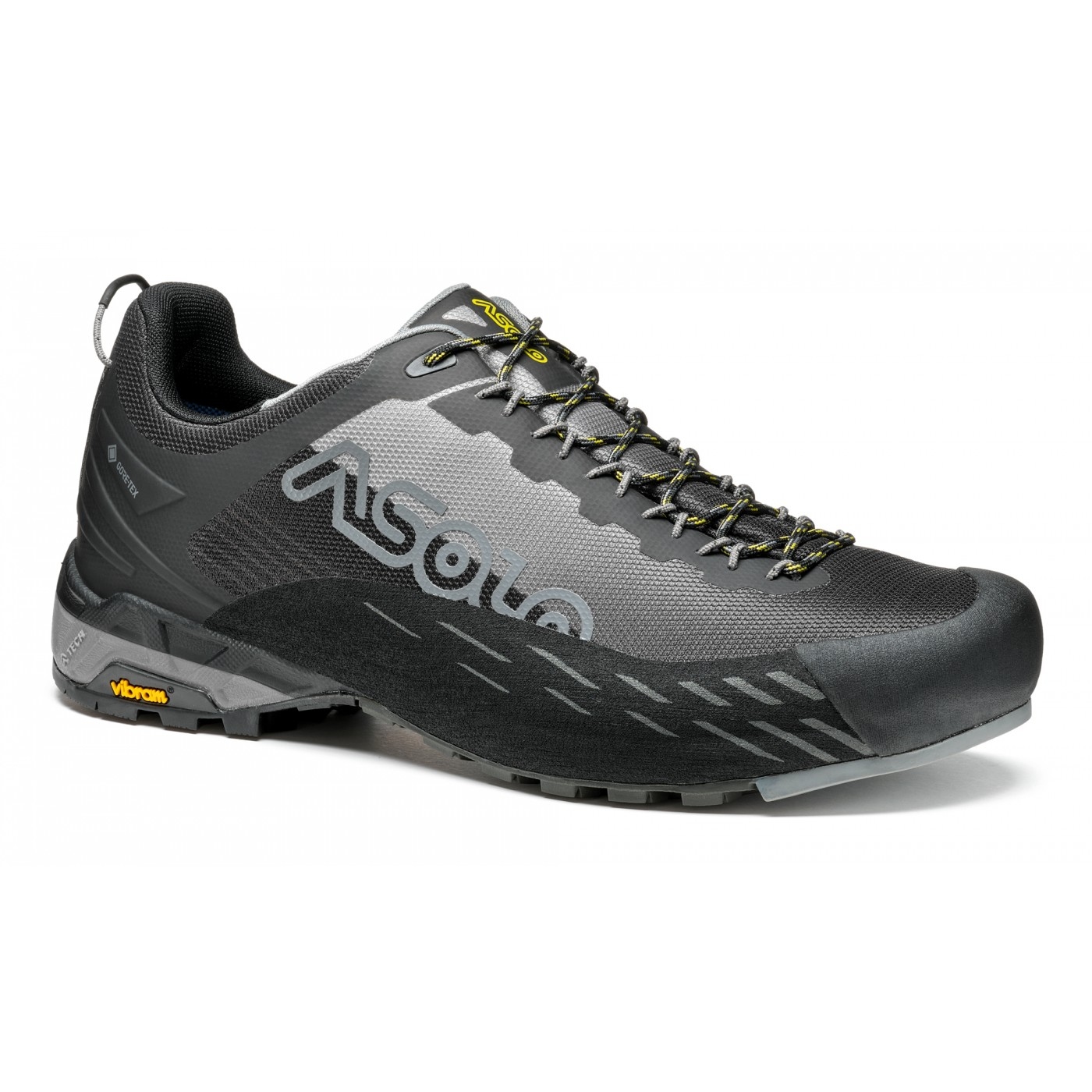
Walking shoes (or approach shoes)
Ideal for
• Active walking
• Well-maintained trails
• Approaches to climbing sites
• Daily use and travel
• Short hikes without heavy loads
Key points
• Low-cut upper for freedom of movement
• Flexible and lightweight shoe
• Good grip, but limited protection
• Minimal ankle support
• Immediate comfort, little breaking-in needed
Designed for short outings and easy terrain, they prioritize lightness.
Hiking boots (Low, Mid, High)
The most versatile category, suitable for most hikers.
Low-cut hiking boots
Ideal for
• Day hikes
• Light to moderately technical terrain
• Light pack
• Warm climates
Key points
• Very light and breathable
• Natural walking sensation
• Limited ankle support
• Less protection on uneven terrain
Perfect for light hikes without heavy loads.

Mid-cut hiking boots
Ideal for
• Regular hikes
• Technical trails
• Moderate to significant elevation changes
• Medium load
Key points
• Good balance of support / comfort
• Better ankle stability
• Maximum versatility
• Suitable for most terrains
This is often the best choice for the majority of hikers.

High-cut hiking boots
Ideal for
• Long hikes
• Rough terrain
• Heavier packs
• Variable weather conditions
Key points
• Maximum ankle support
• Increased foot protection
• Heavier and less breathable
• Excellent stability on descents
Designed for self-sufficiency and long distances.
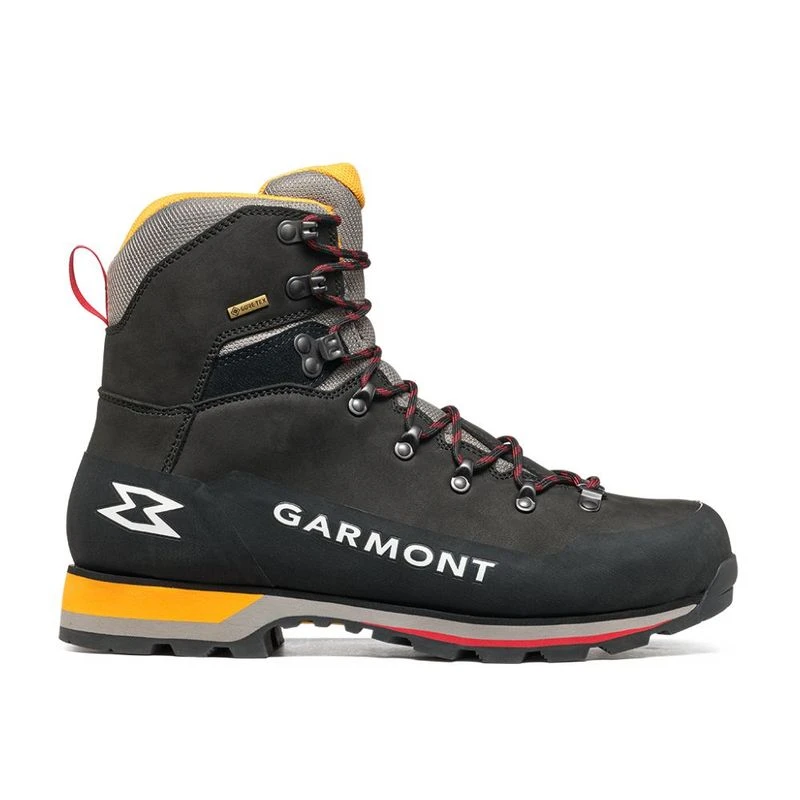
Trekking boots
Ideal for
• Multi-day treks
• Carrying heavy loads
• Technical and mountainous terrain
• Variable and demanding conditions
Key points
• Stiff high-cut upper
• Thick and stable midsole
• Excellent durability
• Maximum foot protection
• Comfort designed for long periods
The logical choice when comfort and stability take precedence over lightness.

Mountaineering boots
Specialized boots for high mountains.
Ideal for
• Mountaineering
• Glaciers
• Snow, ice, and mixed terrain
• Altitude and cold temperatures
Key points
• Very rigid upper
• Thermal insulation
• Crampon compatibility
• Maximum protection against moisture and cold
• Very little flexibility for classic walking
Essential for mountaineering, but over-engineered for hiking.
Each type of shoe is designed for a specific use.
The right choice depends on:
• The terrain
• The duration of the outing
• The weight carried
• Your walking pace
Appropriate shoes mean:
• More comfort
• Less fatigue
• Better knee protection
• And most importantly... more enjoyment on the trails. 😉